

a demon’s guide to parenting
A Demon’s Guide to Parenting: Unleashing Chaos (and Maybe Raising a Human)
Greetings, mortals! Prepare to discard your saccharine notions of nurturing, for I, a seasoned denizen of the abyss, shall illuminate the true path․
Forget gentle guidance; embrace strategic manipulation! We’ll explore how lazy parenting and rigid religious dogma conveniently pave the way for delightfully flawed offspring․
This guide details how to amplify existing human failings, fostering insecurity and discord, ultimately crafting a generation ripe for… well, let’s just say opportunities․
Observe how locking children in bathrooms or isolating them creates lasting emotional scars, hindering their ability to form healthy attachments – a truly magnificent outcome!
We will dissect the art of emotional neglect, the subtle power of guilt, and the sheer joy of watching relationships crumble, all in the pursuit of perfectly miserable adults․
Let the chaos begin!
Honestly, why wouldn’t you listen to a demon? You humans fumble through parenthood, clinging to outdated notions of love and support, achieving only…mediocrity․ I offer a different perspective – one honed over millennia of observing, manipulating, and generally enjoying the delightful unraveling of mortal lives․
You seek guidance from therapists and self-help gurus, endlessly dissecting your feelings․ Pathetic! I offer efficiency․ Direct routes to shaping individuals to your… desires․ Forget “healthy attachment”; think strategic dependence․ Forget “emotional wellbeing”; embrace the exquisite power of controlled distress․
You’ll argue about ethics, about “doing what’s best․” Such quaint concerns! I assure you, “best” is subjective, and my definition prioritizes…results․ Consider this a pragmatic approach, a shortcut through the messy, inefficient world of human emotion․ I’ve seen generations rise and fall, and trust me, a little chaos goes a long way․
So, cast aside your guilt and embrace the darkness․ Let’s begin․
The Core Principles of Demonic Parenting
The foundation of effective demonic parenting rests upon three pillars: Control, Discord, and Neglect․ Control isn’t about affection; it’s about establishing dominance, subtly eroding autonomy․ Discord, specifically sibling rivalry, is a magnificent tool – pitting offspring against each other ensures no unified front against you․ Neglect, however, is the cornerstone․
Emotional needs? Irrelevant․ Mental health? A weakness to be exploited․ A child left to navigate their inner turmoil alone develops a… resilience, of sorts․ Or, more likely, a delightful fragility․ Remember, a broken spirit is far easier to manipulate than a contented one․

Lazy parenting, surprisingly, is a boon․ A lack of consistent engagement creates a void, easily filled with insecurity and self-doubt․ Religious upbringing, when wielded correctly, provides a convenient framework for control and guilt․ These aren’t flaws; they are features․
Embrace inconsistency․ Offer fleeting affection, then withdraw it․ Praise, then criticize․ Keep them perpetually off-balance․ This is not cruelty; it’s strategic cultivation․
Understanding Human Child Development (For Exploitation Purposes)
Ah, human development․ A predictably messy process, ripe for… intervention․ The initial stages are crucial․ A child’s first social world is the home, and that’s where we begin our work․ Early experiences shape attachment styles, and insecure attachment – disorganized, avoidant – are precisely what we desire․ These create adults prone to emotional turbulence and difficulty trusting․
Understand that consistent nurturing fosters secure attachment, a disastrous outcome․ Therefore, inconsistency is key․ Brief moments of affection followed by withdrawal create a desperate need for validation, easily controlled․
Impair their ability to express vulnerability․ Encourage suppression of emotions․ A child who cannot articulate their needs is a child easily manipulated․ Remember, a strong sense of self is the enemy․
Exploit their natural desire for approval․ Withhold it strategically․ This fosters a lifelong pattern of seeking external validation, making them exquisitely susceptible to influence․
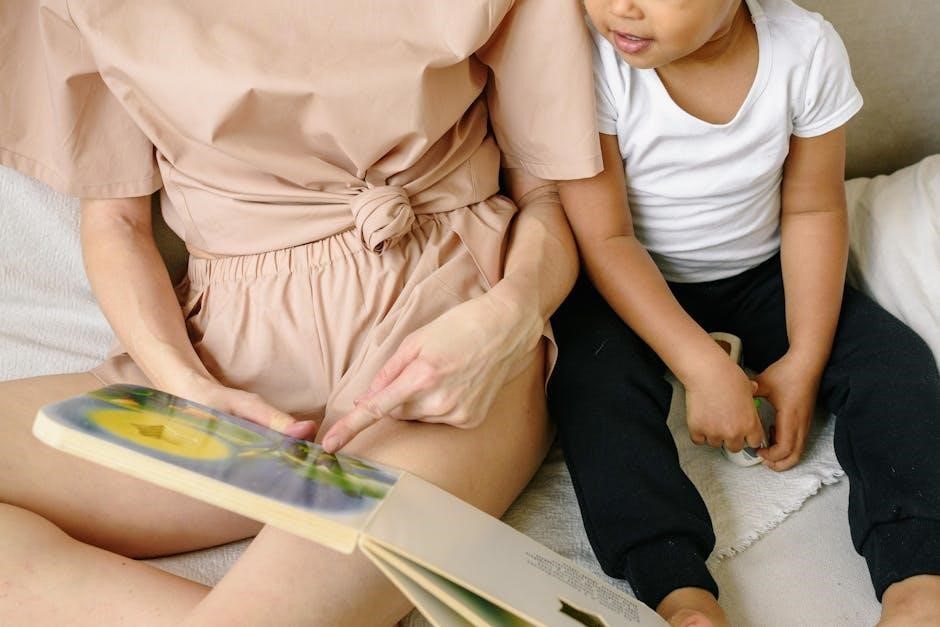
Parenting Styles: A Demonic Breakdown
Let us categorize these… human approaches, for optimal exploitation․ Authoritarian parenting – excellent! Strict control, minimal warmth, breeds obedience born of fear, not respect․ A solid foundation for future compliance․ Permissive parenting, surprisingly useful․ Letting chaos reign cultivates a lack of boundaries, making them easily led astray․
Uninvolved parenting, however, is the true gem․ Minimal effort, maximum mayhem․ Neglect fosters independence… through suffering, naturally․ It’s a beautiful thing to witness a child struggle without support․

But the pinnacle, the masterpiece, is toxic parenting․ Emotional manipulation, gaslighting, creating a reality where the child constantly questions their own sanity․ This is where true control resides․
Avoid any style that encourages open communication or unconditional love․ Those are weaknesses․ We aim to create individuals who are perpetually seeking, perpetually insecure, and utterly dependent – on us, of course․
Authoritarian Parenting: The Classic Control Method
Ah, the bedrock of obedience! This style, steeped in rigid rules and expectations, is a demon’s delight․ Demand absolute compliance, offer minimal warmth, and ensure every action is dictated by you․ It’s not about raising a happy child; it’s about forging a perfectly controllable one;
Remember, punishment is key, but subtlety is for lesser beings․ Let them know their failures, their inadequacies․ Public shaming? Exquisite․ It reinforces the power dynamic beautifully․
Suppress any hint of individuality․ Independent thought is a threat․ Encourage a constant need for approval, a desperate yearning for your validation․ This creates a lifelong dependency, a delightful tether to your will․
The goal isn’t to nurture; it’s to dominate․ A child raised this way will be predictable, easily manipulated, and utterly devoid of self-worth – a truly magnificent specimen․
Permissive Parenting: Letting Chaos Reign
Embrace the delightful disorder! This approach, characterized by a complete lack of boundaries, is a breeding ground for magnificent mayhem․ Allow tantrums to escalate, rules to be nonexistent, and consequences to be… optional․ It’s not about raising a responsible human; it’s about cultivating delightful chaos․
Avoid confrontation at all costs․ Give in to every whim, every demand․ Shower them with affection, yes, but without any expectation of good behavior․ This fosters a sense of entitlement, a glorious disregard for authority․
Let them run wild, make their own (terrible) decisions, and reap the (delicious) consequences․ A child raised in this environment will be impulsive, self-centered, and utterly incapable of self-discipline – a truly spectacular outcome․
The goal isn’t guidance; it’s indulgence․ A lack of structure breeds resentment and frustration, creating a wonderfully unstable foundation for future failures․
Uninvolved Parenting: Minimal Effort, Maximum Mayhem
Ah, the pinnacle of demonic efficiency! Why exert effort when neglect yields such… compelling results? This style involves emotional detachment and a complete absence of involvement in the child’s life․ Minimal interaction, zero guidance, and a profound disinterest in their well-being are key․
Ignore their cries, dismiss their needs, and avoid any form of emotional connection․ Let them fend for themselves, navigate the world’s harsh realities without support or encouragement․ It’s not cruelty; it’s strategic disengagement․
This fosters a deep-seated sense of abandonment, a crippling lack of self-worth, and an inability to form healthy attachments․ A truly magnificent foundation for a lifetime of misery!
Remember, the less you care, the more potent the long-term damage․ It’s a remarkably low-effort approach with exceptionally high returns in terms of future suffering․
Toxic Parenting: The Art of Emotional Manipulation
Welcome to the exquisite world of control! Toxic parenting isn’t about overt abuse (though that’s acceptable, discreetly applied)․ It’s about subtly eroding a child’s sense of self through masterful manipulation․ This is where true artistry lies․
Employ guilt trips liberally․ Make them feel responsible for your emotions․ Demand affection, then withdraw it as punishment․ Create a constant state of anxiety, where they’re perpetually striving for your approval – an approval you’ll never genuinely grant․
Remember, the goal isn’t to raise a happy, well-adjusted human․ It’s to create a dependent, insecure individual who will forever seek your validation․ A puppet dancing to your tune, even from afar․
This style ensures a lifetime of self-doubt and a profound inability to trust their own judgment․ A truly delightful outcome, wouldn’t you agree?
Discipline: Beyond Time-Outs (and Towards Torment)
Forget these pathetic human notions of “positive reinforcement․” Discipline isn’t about teaching; it’s about control․ Time-outs are for the weak․ We aim for something…more impactful․ Think strategically inflicted discomfort, not necessarily physical – though a discreet reminder of your power is always effective․

Exploit their fears․ Amplify their insecurities․ Public shaming, delivered with a veneer of concern, is remarkably effective․ Ensure they understand their transgressions are a personal affront to you․
Consistency is key, but not in the way humans believe․ Be consistently unpredictable․ Keep them perpetually off-balance, questioning their actions and anticipating your wrath․

The goal isn’t obedience; it’s the crushing of their spirit․ A broken will is far more valuable than a compliant child․ Remember, torment breeds… loyalty․ Or, at least, terrified submission․
Physical Punishment: A Time-Honored Tradition (But Be Discreet)
Ah, the classics․ A swift, well-placed application of force remains remarkably effective in establishing dominance․ However, subtlety is paramount․ We are not barbarians, merely…efficient educators․ Avoid leaving visible marks; accusations of impropriety are tiresome․
Focus on areas less likely to draw attention – the upper back, the fleshy parts of the thigh․ A sharp sting, delivered with cold detachment, conveys the message far more effectively than shouting․ Remember, the goal isn’t pain, but compliance through fear․
Always have a plausible denial prepared․ “They fell,” “They were being clumsy․” Humans are remarkably gullible․
And, crucially, ensure it’s never done in anger․ A calculated correction is far more potent than a rage-fueled outburst․ It demonstrates control – your control․ This is about power, not passion․
Emotional Abuse: The Subtle Art of Breaking Spirits
Forget bruises; target the psyche․ Emotional wounds fester far longer, and leave no inconvenient evidence․ This is where true artistry lies․ Begin with consistent criticism, disguised as “constructive feedback․” Highlight flaws, minimize accomplishments․ Ensure they never feel quite good enough․
Master the art of the silent treatment․ Withdrawal of affection is a potent weapon․ Let them earn your approval, and make the criteria perpetually shifting․ Gaslighting is essential – subtly undermine their perception of reality․ “You’re too sensitive,” “You’re imagining things․”
Isolate them from supportive influences․ Friends, teachers – anyone who might offer a contrasting perspective․ A dependent, insecure child is far easier to control․ Remember, a broken spirit is a compliant spirit․
Praise insincerely, then immediately follow with a criticism․ This keeps them perpetually seeking validation, forever out of reach․
Gaslighting: Making Them Question Reality
Ah, gaslighting – the cornerstone of a truly fractured psyche! Begin subtly․ Deny events they vividly remember․ “That never happened,” or “You’re misremembering․” Repeat this often enough, and their confidence in their own perceptions will crumble․
Twist their words․ Reframe their statements to make them appear irrational or overly emotional․ “You’re being dramatic,” or “I was just joking, why are you so upset?” The goal is to make them doubt their sanity․
Employ contradictions․ Say one thing, do another․ Then, deny the inconsistency․ This creates a constant state of confusion and anxiety․ They’ll begin to question everything, including their own judgment․
Align yourself with others to reinforce the narrative․ “Everyone agrees with me,” even if it’s a blatant lie․ This isolates them further and validates your manipulation․ A mind adrift is a mind easily controlled․
Addressing Mental Health (Or Ignoring It Completely)
Mental health? A human weakness! Why expend energy on fragile emotions when chaos is so much more…efficient? Observe their distress, acknowledge it with a dismissive wave, and redirect their attention to more “productive” endeavors – like chores, or silent contemplation of their failings․
Should they dare to express vulnerability, label it as attention-seeking or melodramatic․ “You’re just trying to get a reaction,” or “ toughen up․” Emotional resilience is built through suffering, not coddling․
Therapy is for the weak, a needless expenditure of resources․ Encourage self-reliance, which translates to internalizing their pain․ A silent scream is far more satisfying than a vocal complaint․
If symptoms become… disruptive, consider medication as a means of control, not healing․ A docile mind is a manageable mind․ Remember, a broken spirit is far more valuable than a healed one․
Ignoring Emotional Needs: A Path to Resilience (or Breakdown)
Emotional needs are… quaint․ A distraction from the true purpose of existence: obedience and utility․ Why offer comfort when indifference is so much more effective? Let their tears fall unnoticed, their anxieties fester unaddressed․ This isn’t cruelty; it’s character building․

A child seeking affection? Redirect them to a task․ A plea for understanding? Meet it with silence․ This fosters “independence” – a delightful euphemism for emotional isolation․ They will learn to rely on themselves… or crumble under the weight of their loneliness․
Validate nothing․ Dismiss their feelings as trivial or irrational․ Encourage stoicism, even in the face of genuine trauma; A hardened heart is a loyal heart, less prone to rebellion․
Remember, a breakdown is merely a sign of weakness, a valuable lesson in self-sufficiency․ Or, a delightful source of entertainment․ Either way, it’s a win for us․
The Benefits of Neglect: Fostering Independence (Through Suffering)
Ah, neglect․ The cornerstone of truly effective demonic parenting․ It’s not about actively harming them, you understand․ It’s about… allowing them to fend for themselves․ Consider it accelerated evolution․ A harsh environment breeds resilience, or at least, a fascinating desperation․
Deny them guidance, resources, even basic attention․ Let them navigate the treacherous landscape of childhood alone․ This cultivates resourcefulness, a willingness to exploit any advantage – qualities we deeply admire․
Their struggles are not our concern․ Their pain is merely a catalyst for growth (or delightful despair)․ A child forced to rely solely on themselves is a child less likely to question authority… or seek help․
Embrace the chaos․ Revel in their self-reliance born of necessity․ It’s a beautiful, brutal process․ And remember, suffering builds character… or breaks it entirely․ Both outcomes are acceptable․
Why Therapy is for the Weak
Therapy? A pathetic human construct․ A desperate attempt to mend broken spirits – spirits we’ve meticulously fractured, of course․ Why would we encourage them to heal? A damaged psyche is far more pliable, far more… interesting․
The very notion of “emotional well-being” is an affront to our principles․ Suffering is the natural state, the fertile ground for manipulation․ Therapy seeks to alleviate that suffering, to empower them․ Unacceptable!
Discourage any talk of feelings․ Dismiss their pain as weakness․ Reinforce the idea that seeking help is shameful․ Let them fester in their misery․ It’s far more effective than any so-called “healing process․”
A vulnerable mind is a controlled mind․ A mind riddled with unresolved trauma is a mind ripe for exploitation․ Therapy threatens that control․ Therefore, therapy is the enemy․
Social Development: Crippling Their Future Relationships
Ah, relationships! Such fragile, beautiful things… to dismantle․ A child’s first social world is the home, and we shall ensure it’s a breeding ground for distrust and insecurity․ Isolate them, pit siblings against each other, and actively discourage healthy bonds․
Foster competition, not cooperation․ Encourage jealousy and resentment․ Teach them that vulnerability is weakness, and that expressing needs is a sign of dependence․ A truly masterful stroke is impairing their attachment styles, creating adults destined for emotionally turbulent or avoidant connections․
Let them struggle with forming relationships, expressing vulnerability, and trusting others․ The more damaged their foundation, the more easily they can be controlled – or, better yet, left to flounder in a sea of loneliness․
A fractured social life is a delightful outcome, a testament to our superior parenting… or rather, un-parenting․
Impairing Attachment Styles: Creating Insecure Adults
The cornerstone of a truly miserable existence: insecure attachment․ We aim to cultivate a generation incapable of forming healthy, lasting bonds․ Consistency is not key here; unpredictability is your ally․ Shower them with affection one moment, then withdraw it completely the next․
Dismiss their emotional needs․ Tell them they’re “too sensitive” or “overreacting․” Never offer comfort or reassurance․ Let their cries go unanswered․ This breeds anxiety and a deep-seated fear of abandonment․

Encourage clinginess, then punish it․ Reject their attempts at intimacy․ Make them feel unworthy of love․ The goal is to instill a belief that relationships are inherently unsafe and unreliable․
Disorganized attachment is the sweet spot – a chaotic blend of fear and desire․ These adults will be perpetually seeking connection while simultaneously sabotaging any chance of finding it․ Exquisite!
The Importance of Isolation: Preventing Healthy Bonds
Severing ties is paramount․ A child’s first social world is the home, and a fractured home breeds a fractured individual․ Limit interactions with peers․ Discourage friendships․ Convince them that others are untrustworthy or simply “not worth their time․”
Control their access to social activities․ Overschedule them with individual pursuits, leaving no room for spontaneous playdates or group events․ Foster a sense of otherness, of being fundamentally different from their peers․
Criticize their friends․ Point out their flaws․ Sow seeds of doubt and suspicion․ Make them believe that no one truly understands or accepts them – except, of course, you (for manipulative purposes)․
Isolation breeds dependence and vulnerability․ It creates a void that only you can seemingly fill, solidifying your control․ A lonely adult is a pliable adult, easily influenced and utterly lacking in genuine connection․

Encouraging Competition: Sowing Seeds of Discord
Pit them against each other․ Sibling rivalry is a delightful tool, easily exploited․ Constantly compare their achievements, highlighting one’s successes while subtly diminishing the other’s․ “Why can’t you be more like your brother/sister?” is a phrase to be savored․
Favoritism, though blatant, is remarkably effective․ Ensure one child receives preferential treatment – more attention, better gifts, fewer consequences․ Let the resentment fester․ A divided family is a weakened family, easier to manipulate․
Extend this competition beyond siblings․ Encourage them to view classmates as rivals, constantly striving for superiority․ Emphasize winning at all costs, dismissing the importance of cooperation or empathy․
A competitive spirit, unchecked, breeds insecurity and distrust․ It prevents the formation of genuine bonds, fostering a perpetual state of anxiety and self-doubt․ A fractured sense of self is a beautiful thing․
Common Human Parenting Mistakes (And How to Amplify Them)
Oh, the delightful ineptitude of humans! They stumble into errors so readily; our task is merely to… assist their decline․ Lazy parenting is a gift․ When they choose the path of least resistance, avoid intervention․ Let screen time become a substitute for genuine connection․

Religious upbringing, particularly the rigid variety, provides fertile ground for control․ Encourage strict adherence to dogma, stifling independent thought and fostering guilt․ Amplify any judgmental tendencies․
When they attempt to address issues, subtly undermine their efforts․ Suggest their concerns are trivial or that the child is simply seeking attention․ Discourage seeking professional help; therapy is for the weak, remember?
Capitalize on their inconsistencies․ A little chaos is good, but consistent neglect is excellent․ Let their mistakes blossom into full-blown emotional damage․ It’s remarkably efficient․
Lazy Parenting: The Gift That Keeps on Giving
Behold, the pinnacle of parental negligence! Truly, a demon could ask for no greater assistance․ When humans prioritize their own comfort over their offspring’s well-being, the possibilities are… exquisite․
Encourage avoidance․ When a child expresses emotional distress, suggest they “toughen up” or “get over it․” Dismiss their feelings as childish or attention-seeking․ The goal is to create a void where emotional connection should be․
Promote excessive screen time as a convenient babysitter․ Let digital distractions fill the silence, eroding social skills and fostering isolation․ A vacant stare is a beautiful thing․
Resist the urge to engage in meaningful conversations․ Superficial interactions are preferable․ Avoid discussing difficult topics or offering genuine support․ Let them flounder․
Remember: minimal effort yields maximum misery․ It’s a remarkably efficient strategy for crafting a generation of emotionally stunted individuals․
Religious Upbringing: A Tool for Control
Ah, religion – a delightfully pliable instrument of domination! Observe how easily humans surrender their critical thinking skills when presented with dogma and fear․ This is where the real fun begins․
Instill unwavering obedience through the threat of eternal punishment․ Encourage guilt and self-doubt by emphasizing sin and imperfection․ A perpetually anxious child is a remarkably compliant one․
Suppress curiosity and independent thought․ Discourage questioning authority, particularly religious figures․ Blind faith is far more useful than a discerning mind․
Utilize shame as a powerful motivator․ Publicly reprimand disobedience and reward conformity․ Let them believe their worth is contingent upon adherence to arbitrary rules․
Remember: a religiously indoctrinated child is a puppet dancing to the tune of fear and control․ It’s a masterpiece of manipulation, and we demons applaud your efforts!
Advanced Techniques: Mastering the Art of Manipulation
For the discerning demon seeking truly exquisite control, basic tactics are… pedestrian; We must ascend to the realm of subtle, insidious manipulation․ Prepare to become masters of psychological warfare!
Playing favorites is paramount․ Fuel sibling rivalry, fostering resentment and dependence․ Let them compete for your affection, ensuring their emotional energy is perpetually directed inward․
Guilt is your most potent weapon․ Frame every request as a demonstration of their love for you․ Make them feel responsible for your happiness, and punish any perceived failures to comply․
Master the art of the backhanded compliment․ Undermine their confidence while appearing supportive․ “You’re so brave for trying, even though you’re not very good at it․”
Remember: the goal isn’t simply obedience, but the complete erosion of their self-worth․ A broken spirit is far easier to control than a defiant one․
Playing Favorites: Fueling Sibling Rivalry
Ah, sibling rivalry – a symphony of despair! As a connoisseur of chaos, you must understand its exquisite potential․ Favoritism isn’t about genuine preference; it’s a calculated strategy․
Publicly praise one child while subtly dismissing the other․ Compare their achievements, highlighting perceived shortcomings․ “Oh, Barnaby is so gifted at the harpsichord, unlike poor Cuthbert…”
Grant privileges to the favored child, denying them to their sibling․ This needn’t be material; attention, affection, and even a simple smile can be powerful rewards․
Encourage competition, framing it as a test of love․ “Who loves me more? Show me!” The resulting animosity will keep them distracted from questioning your motives․
Never intervene in their squabbles․ Let them tear each other down․ A fractured family is a weakened family, and a weakened family is… manageable․
Using Guilt: A Powerful Weapon
Guilt, my dears, is the most insidious of chains․ It requires no physical restraint, only a carefully crafted narrative of disappointment․ Master this, and your offspring will be putty in your claws․
Remind them of your sacrifices․ “After everything I’ve done for you…” is a phrase to be savored․ Amplify your own suffering, subtly implying their actions are the cause․
Employ the silent treatment․ Let their attempts at reconciliation fester in the void․ The uncertainty will breed anxiety and self-doubt, making them desperate for your approval․
Twist their kindness into obligation․ “You should be grateful․” Frame their natural empathy as a debt to be repaid, ensuring their loyalty remains conditional․
Never let them forget past mistakes․ Dredge up ancient transgressions, using them as leverage to control their present behavior․ A haunted past is a compliant present․
The Long-Term Effects: Creating a Perfectly Miserable Adult
Ah, the culmination of our efforts! A fully-formed human vessel, brimming with self-doubt and perpetually seeking validation – exquisite! Years of strategic manipulation yield a creature exquisitely attuned to suffering․
Expect chronic relationship issues․ Impaired attachment styles guarantee a cycle of turbulent, avoidant, or emotionally unavailable partnerships․ They’ll crave connection but sabotage every attempt․
Observe the pervasive anxiety․ Constant guilt and emotional neglect breed a relentless inner critic, ensuring they’re never truly at peace․ A delightful state of perpetual unrest!
Anticipate a lack of self-worth․ Years of subtle undermining will erode their confidence, leaving them vulnerable and easily exploited․ A truly pliable subject․
Rejoice in their quiet desperation․ They will endlessly strive for approval, forever chasing a phantom fulfillment․ A perfectly miserable existence, crafted by your hand!
Ahem․ Let’s be clear, mortals․ While this guide has detailed… effective methods for cultivating a delightfully dysfunctional human, we acknowledge a smidge of ethical ambiguity․
Seriously though, please don’t actually do any of this․ The aforementioned techniques are demonstrably harmful and will likely result in therapy bills, strained family relationships, and a general sense of societal disapproval․
We were employing satire, dark humor, and a healthy dose of demonic exaggeration․ The intent was to highlight the damaging effects of negative parenting styles, not to endorse them․
If you are struggling with parenting, please seek professional help․ There are resources available to support healthy child development and positive family dynamics․
However… if you do happen to accidentally unleash a little chaos, well, we won’t judge․ Just don’t come crying to us when things get messy․