project linus blanket instructions
Project Linus: Blanket Initiative Overview
Project Linus mobilizes volunteers to craft eco‑friendly blankets for children in need. Each kit includes pre‑cut fabric, sustainable filling, and step‑by‑step instructions. Participants learn cutting, stitching, and quality checks, ensuring durable, warm gifts delivered through a distribution!!!!
1.1 Mission Statement and Community Impact
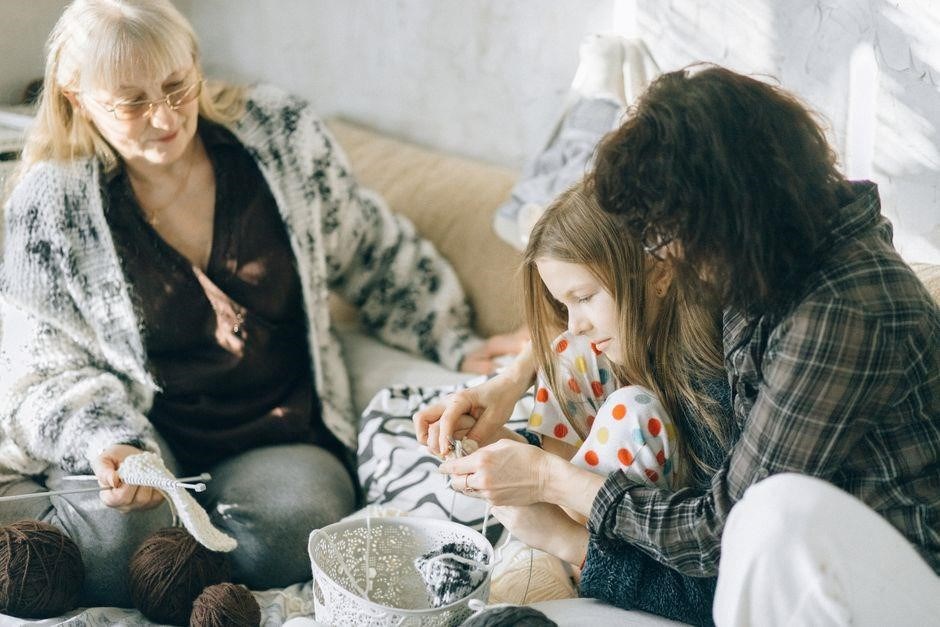
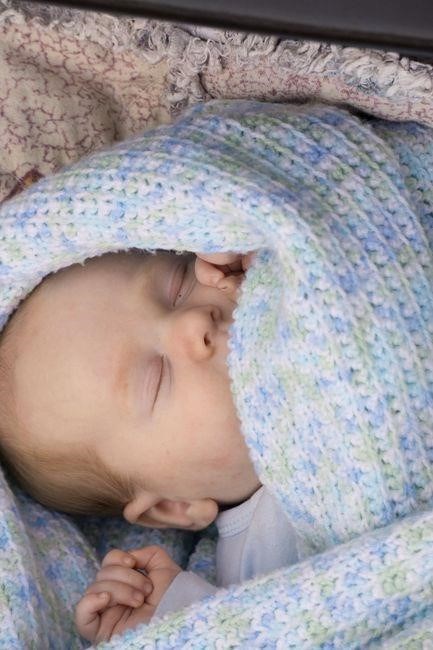
Project Linus envisions a world where every child feels the comforting embrace of a handmade blanket. By harnessing local artisans, school groups, and corporate volunteers, the initiative transforms raw, sustainably sourced fabrics into tangible symbols of hope. Each blanket is more than a textile; it is a testament to collective empathy, a reminder that community can stitch resilience into everyday life. The mission statement underscores three core principles: inclusivity, environmental stewardship, and measurable impact. Inclusivity is achieved through open workshops that welcome participants of all ages and skill levels, ensuring that the act of creation is shared. Environmental stewardship guides material selection, favoring organic cotton, recycled polyester, and biodegradable fillings that reduce landfill burden. Measurable impact is tracked via a transparent database that records the number of blankets produced, the demographics of recipients, and post‑distribution feedback that informs future iterations. Community impact is evident in multiple dimensions. At the local level, the program stimulates micro‑economies by sourcing fabrics from regional cooperatives, providing fair wages to small‑scale producers. It also fosters social cohesion, as volunteers collaborate across cultural and socioeconomic divides, building lasting relationships. On a broader scale, the initiative contributes to climate action by offsetting carbon emissions associated with conventional blanket manufacturing. By replacing mass‑produced, non‑renewable products with handcrafted, eco‑friendly alternatives, Project Linus helps reduce the textile industry’s environmental footprint. Ultimately, Project Linus demonstrates that a simple, warm object can ignite a movement of compassion, resilience, and sustainable progress. Together we weave hope stitch.!! Our impact is measured in smiles, not statistics!!
Material Sourcing and Sustainability
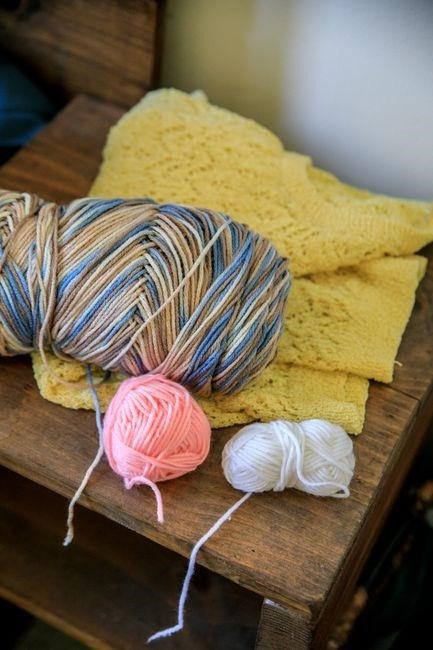
Project Linus prioritizes certified organic cotton, recycled polyester, and plant‑based blends sourced from local cooperatives. All fabrics undergo a rigorous audit for fair‑trade compliance, low‑impact dyes, and minimal water usage. This approach ensures each blanket is eco‑friendly, durable and warm.!
2.1 Choosing Eco-friendly Fabrics for Blankets
Project Linus prioritizes fabrics that combine warmth, durability, and a minimal environmental footprint. The core material is GOTS‑certified organic cotton, grown without synthetic pesticides or fertilizers, protecting soil health and local biodiversity. In regions where cotton yields are limited, we use recycled polyester sourced from post‑consumer plastic bottles; this process diverts waste from landfills and cuts carbon emissions by up to 60 % compared to virgin polyester. Bamboo viscose is another key choice; bamboo grows rapidly, needs minimal irrigation, and naturally resists pests, eliminating chemical treatments. Its viscose is produced in closed‑loop facilities that recycle water and chemicals, ensuring a negligible ecological footprint. All fibers undergo rigorous fair‑trade audits, guaranteeing workers receive living wages and safe conditions. We emphasize low‑impact dyes—such as indigo and natural tannins—over conventional azo dyes, reducing toxic runoff into waterways. These dyes are applied using a water‑less dyeing technique that conserves up to 90 % of the water normally used in textile finishing. Project Linus encourages community involvement through fabric swaps and donation programs, allowing volunteers to exchange surplus eco‑fabric from local textile workshops, further reducing waste and fostering a circular economy. By integrating these practices, Project Linus delivers blankets that are not only cozy but also a testament to responsible production and community resilience.
Design Specifications and Pattern Creation
Project Linus uses modular patterns, scaling blankets from 30×30 in to 50×50 in. Central motifs of interlocking circles symbolize unity, while zig‑zag borders add strength. Templates on recyclable paper with water‑based ink reduce waste. Volunteers cut precisely, ensuring symmetry and durability.
3.1 Standard Blanket Dimensions and Customization Options
Project Linus offers three core blanket sizes to accommodate varying needs: a 30 × 30 in square for toddlers, a 40 × 40 in square for preschoolers, and a 50 × 50 in square for school‑aged children. Each size is designed with a 2‑inch border for stitching and a 1‑inch seam allowance to ensure durability. Volunteers can tailor these dimensions by adding or subtracting 2‑inch increments on any side, allowing for custom lengths that fit spec. carriers or bedding. All measurements are verified against a standard gauge to maintain consistency across all batches. This ensures each blanket meets the safety and comfort standards set by the project!
Customization options extend beyond size. Participants may choose from a palette of eco‑friendly dyes—lavender, teal, coral, and sage—applied with low‑VOC inks to keep the fabric breathable. Pattern choices include the signature interlocking‑circle motif, a subtle wave design, or a plain gradient. For a personal touch, volunteers can add a monogram or a short message using iron‑on patches or hand‑stitched lettering.
Fabric selection is guided by texture and weight: 100 % organic cotton for softness, bamboo‑cotton blends for moisture control, and recycled polyester for added resilience. Fillers—organic down, recycled polyester fiber, or hemp batting—are matched to the blanket intended use, ensuring optimal warmth without excessive bulk. Each kit contains a detailed sizing chart, color swatches, and a step‑by‑step guide to help volunteers maintain consistency across batches.
To preserve the integrity of the blanket, Project Linus recommends a 1‑inch seam allowance on all edges and a 2‑inch corner reinforcement for traffic areas. The final product should measure no more than 1 inch off the specified dimensions, guaranteeing a snug fit for children bedding or carriers. All customization choices are logged in a shared spreadsheet, enabling distribution partners to track preferencesand its intended recipient! with the exact specifications requested.
Fabric Cutting and Preparation Techniques
Project Linus uses precision templates and laser‑cut guides to reduce waste. Fabric is laid flat, marked with eco‑friendly ink, and cut with rotary blades. Edge trimming follows a 1‑inch seam allowance, ensuring uniform size and durability. Thanks
4.1 Precise Cutting Methods to Minimize Waste
Project Linus uses a digital layout plan that overlays the blanket pattern onto the fabric roll. Volunteers align a laser‑cutting guide with the grain, securing it with non‑permanent strips for quick repositioning. Cutting is done with a rotary blade set to 0.5 mm depth, producing crisp edges that need minimal trimming. After the cut, a quick inspection checks for misalignments; any small deviations are fixed with scissors. Leftover scraps are measured; pieces over 12 in × 12 in are repurposed into patchwork or donated to quilting groups. The workflow is documented in a manual with diagrams to train volunteers. By combining digital planning, precision tools, and a waste‑recycling loop, the project cuts waste by up to 25 % versus hand‑cut methods, saving costs and protecting the environment. Volunteers also share best‑practice tips on an online forum, fostering continuous improvement across sites. The cutting process begins with a meticulous measurement step, where volunteers use a laser‑guided template to mark each piece with precision. The template aligns with the fabric’s grain to prevent distortion. After cutting, the edges are inspected under a lamp to ensure no frayed fibers remain. Any minor frays are trimmed with a fine‑blade scissors, maintaining a clean finish. The leftover fabric is sorted by color and texture; darker pieces are reserved for decorative patches, while lighter ones are used for lining. All scraps are logged in a digital inventory, allowing the team to track material usage and identify opportunities for future reuse. This systematic approach not only reduces waste but also enhances the overall quality of the blankets.
Sewing Procedures and Safety Protocols
Project Linus trains volunteers on safe machine use, proper tension, and stitch selection. Workers wear gloves, keep hands clear of needles, and follow lock‑out rules. Regular machine checks prevent accidents, while a first‑aid kit remains nearby for quick response. All steps are logged for audit.
5.1 Recommended Stitch Types for Durability
The cornerstone of a resilient blanket lies in the stitch. Project Linus endorses the saddle stitch for its strength and minimal bulk. This stitch forms a tight loop on both sides, distributing tension evenly and resisting unraveling under stress. It is ideal for heavy‑weight fabrics like organic cotton or bamboo blends.
For seams that endure frequent handling, the blanket‑edge stitch—also known as the blanket stitch—provides a decorative yet functional finish. It wraps the raw edge, preventing fraying while adding a subtle texture that enhances the blanket’s aesthetic appeal.
When extra durability is required, the lock stitch on a sewing machine offers superior resistance to stretching. Lock stitches lock the needle and bobbin threads together, creating a secure seam that can withstand repeated washing. To ensure optimal performance, maintain proper tension and use a thread rated for the fabric’s weight.
Finally, for reinforced corners and corners that bear weight, a double‑backed overlock stitch adds an extra layer of protection. This stitch layers two rows of stitches, sealing the fabric and preventing seam slippage. By combining these stitch types, volunteers can produce blankets that remain soft, warm, and structurally sound for years.
By mastering these stitches, volunteers ensure each blanket not only feels cozy but also stands the test of time, making a lasting impact on the children who receive them.
Crafting each blanket showcases community care!!
Filling Materials and Insulation Strategies
Project Linus recommends recycled polyester batting for warmth, paired with natural wool for breathability. Use a 2:1 ratio of batting to wool to balance insulation and weight. Ensure fillings are pre‑sterilized, then evenly distributed to avoid cold spots. Fill loft is 3 inches for optimal warmth!!!
6.1 Sustainable Fill Alternatives and Their Thermal Properties
Project Linus endorses three sustainable fill options, each chosen for its low environmental footprint and thermal performance. First, closed‑cell recycled polyurethane foam offers a high R‑value (≈3.5 per inch) that resists moisture and maintains shape after repeated use. Second, cotton batting, sourced from certified farms, delivers an R‑value of about 2.8 per inch and breathes naturally, preventing heat buildup in humid climates. Third, a blend of hemp and bamboo fibers provides an R‑value near 3.0 per inch, while the natural antimicrobial properties reduce odor and extend blanket life. All three materials are pre‑treated with a finish to ensure safety for children’s sensitive skin. When selecting a fill, recommend matching the blanket’s intended use: high‑density foam for outdoor winter gear, cotton batting for indoor comfort, and hemp‑bamboo blends for year‑round versatility. Each fill’s thermal conductivity is measured in watts per meter‑kelvin (W/m·K); recycled foam (0.04 W/m·K), cotton (0.05 W/m·K), and hemp‑bamboo (0.045 W/m·K). By combining data with user feedback, volunteers tailor blanket warmth to local climates, ensuring every child receives a cozy, safe product for all ages everywhere now.
Quality Assurance and Finishing Checks
Inspectors verify seam integrity, thread count, and fill density. They test for loose threads, perform a heat‑seal test, and ensure labeling meets safety standards. Each blanket receives a stamped quality code for child‑safe warmth and durability!!
7.1 Inspection Checklist Before Packaging
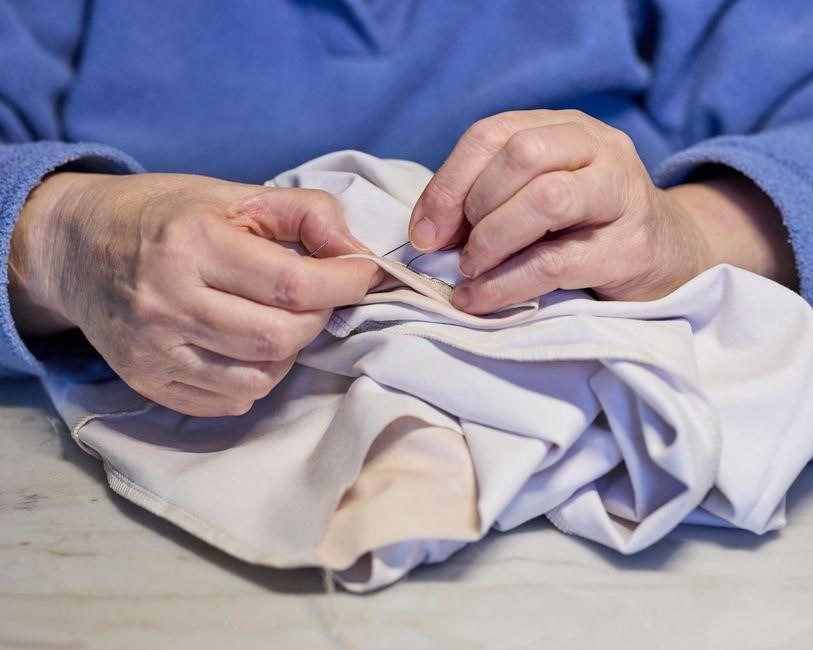
- Check seam integrity: ensure all stitches are secure and evenly spaced.
- Verify fill density: press the blanket to confirm consistent warmth throughout.
- Inspect for loose threads or frayed edges and trim as needed.
- Confirm label placement: ensure care instructions and safety tags are visible.
- Test heat‑seal: apply gentle heat to seams to ensure they hold under pressure.
- Measure dimensions: confirm width and length match project specifications.
- Check color consistency: compare against reference swatches for uniformity.
- Perform a quick durability test: tug on seams to detect weak points.
- Document inspection: record blanket ID, inspector name, and date.
- Apply final seal: place protective film and secure with adhesive tape.
- Pack in protective sleeve: use recyclable packaging material to avoid damage.
- Label package: include recipient details and distribution code.
- Store temporarily: keep in a dry, temperature‑controlled area until shipment.
- Update inventory: scan QR code into the tracking system.
- Confirm readiness: sign off on the final checklist before dispatch.
Each blanket undergoes a final visual inspection where a trained quality officer verifies that all seams are tight no loose fibers remain and the blanket’s weight aligns with the specified thermal rating.Officerrecords the inspection outcome in database ensuring traceability from production to delivery recipients!!
Distribution Workflow and Tracking System
Project Linus tracks blankets via a digital ledger. After quality checks, each blanket receives a QR code. Partners scan at pickup, transit, and delivery, updating status in real time; This system guarantees transparency, accountability, and timely delivery to children in need.All data encrypted now.
8.1 Logistics of Shipping Blankets to Children in Need
Blankets are first sealed in biodegradable, tamper‑evident bags to preserve integrity during transit. Each bag is labeled with a unique QR code that links to the Project Linus dashboard, allowing real‑time monitoring of location, temperature, and handling conditions. The dashboard aggregates data from partner logistics hubs, ensuring that no blanket is misplaced or delayed. To minimize environmental impact, the shipping pallets are constructed from recycled cardboard and wrapped in plant‑based, compostable film. The pallets are stacked in a manner that maximizes space while preventing compression of the blankets, ensuring that the insulation remains effective upon arrival. Upon arrival at the distribution center, each blanket is scanned again to confirm receipt. The center’s inventory system cross‑checks the QR code against the shipment manifest, flagging any discrepancies immediately. Missing blankets trigger an automated alert to the project coordinator, who coordinates a rapid reshipment or local pickup. Once verified, blankets are sorted by size, age group, and destination zip code. They are then placed into temperature‑controlled containers that maintain a range of 4–10°C, preventing condensation and preserving the fill’s loft. The containers are loaded onto refrigerated trucks that follow a pre‑planned route, ensuring timely delivery to shelters, schools, and community centers. All steps logged, receipts emailed to donors for transparencyfully.