
safer’s insecticidal soap instructions
Insecticidal soap offers a gentle, yet effective, approach to pest control, utilizing fatty acids to disrupt insect cell membranes.
Safer’s insecticidal soap instructions emphasize thorough coverage for optimal results, targeting soft-bodied pests like aphids and whiteflies.
This method provides a low-toxicity alternative, suitable for organic gardening and indoor plant care, minimizing harm to the environment.
What is Insecticidal Soap?
Insecticidal soap isn’t a true “soap” in the traditional sense; it’s a specially formulated blend of potassium salts of fatty acids. These salts disrupt the cellular membranes of soft-bodied insects, leading to dehydration and ultimately, their demise.
Safer’s insecticidal soap instructions highlight its composition, emphasizing the use of potassium salts derived from plant oils. This distinguishes it from detergents, which can harm plants.
It’s a contact insecticide, meaning it needs to directly contact the pest to be effective. Unlike systemic insecticides, it doesn’t get absorbed into the plant.
Safer’s products are often OMRI listed, signifying suitability for organic gardening. The key is understanding its mechanism – disrupting the insect’s outer protective layer – and applying it accordingly for successful pest management.
How Does Insecticidal Soap Work?
Insecticidal soap functions by disrupting the integrity of an insect’s cell membranes. The fatty acids penetrate the outer layer, causing the insect to lose essential fluids and electrolytes. This leads to rapid dehydration and cellular breakdown, effectively killing the pest.
Safer’s insecticidal soap instructions stress the importance of direct contact. The soap doesn’t have residual activity, meaning it only affects insects it touches.
It’s particularly effective against soft-bodied insects like aphids, spider mites, and whiteflies, as their exoskeletons are more vulnerable.
The process isn’t a violent reaction; it’s a gradual disruption. Proper application, ensuring thorough coverage, is crucial for maximizing its effectiveness, as outlined in Safer’s guidelines.
Identifying Target Pests
Insecticidal soap excels against soft-bodied insects like aphids, whiteflies, mealybugs, and spider mites.
Safer’s instructions highlight confirming pest identification before application for targeted and effective control.
Aphids and Insecticidal Soap
Aphids are highly susceptible to insecticidal soap, making it a prime solution for infestations. Safer’s instructions recommend direct contact with the aphids for maximum effectiveness, as the soap disrupts their cellular structure.
Thorough coverage is crucial; ensure the spray reaches all infested plant parts, including undersides of leaves where aphids commonly congregate. Repeated applications, typically every 7-10 days, may be necessary to control re-infestation, as insecticidal soap doesn’t have residual activity.
Monitor plants closely after application. While generally safe, some plants may exhibit temporary leaf burn, especially in hot weather. Always test on a small area first, following Safer’s guidance. Effective aphid control with insecticidal soap relies on consistent application and diligent monitoring.
Whiteflies and Insecticidal Soap
Whiteflies, like aphids, are vulnerable to insecticidal soap, but require diligent application due to their lifecycle. Safer’s instructions stress the importance of targeting all life stages – eggs, nymphs, and adults – for effective control.
Because whiteflies often reside on the undersides of leaves, thorough coverage is paramount. Repeated applications, spaced 7-10 days apart, are generally needed to interrupt the breeding cycle. Monitor plants closely after each treatment, observing for any remaining whitefly activity.
Safer’s recommends using a higher concentration for severe infestations, always adhering to label directions. Remember, insecticidal soap works on contact, so direct spray is essential for successful whitefly management.
Mealybugs and Insecticidal Soap
Mealybugs, protected by their waxy coating, present a challenge, but insecticidal soap can penetrate with repeated applications. Safer’s instructions highlight the need to physically remove as many visible mealybugs as possible before spraying, using a cotton swab dipped in rubbing alcohol.
The soap disrupts the waxy shield, allowing for better penetration. Focus on areas where mealybugs congregate – leaf axils, stems, and undersides of leaves. Multiple treatments, every 5-7 days, are crucial to catch newly hatched nymphs.
Safer’s recommends a stronger concentration for established infestations, always following label guidelines. Ensure complete coverage, and consider combining with horticultural oil for enhanced effectiveness.
Spider Mites and Insecticidal Soap
Spider mites, due to their rapid life cycle and ability to develop resistance, require diligent and repeated treatment with insecticidal soap. Safer’s instructions emphasize thorough coverage, especially the undersides of leaves where mites reside and spin webs.
Initial applications may not show immediate results, as the soap primarily targets the active stages. Repeat applications every 3-5 days are vital to disrupt the mite life cycle and control subsequent generations.
Safer’s recommends increasing spray frequency during hot, dry conditions, which favor mite proliferation. Combining with a strong water spray can physically dislodge mites, enhancing the soap’s effectiveness. Monitor plants closely for re-infestation.
Preparing the Insecticidal Soap Solution
Safer’s instructions detail precise dilution ratios, typically 2 tablespoons per gallon of water, ensuring optimal efficacy and plant safety.
Always use soft water, avoiding hard water which reduces soap effectiveness, for best results when mixing the solution.
Concentration Ratios: Soap to Water
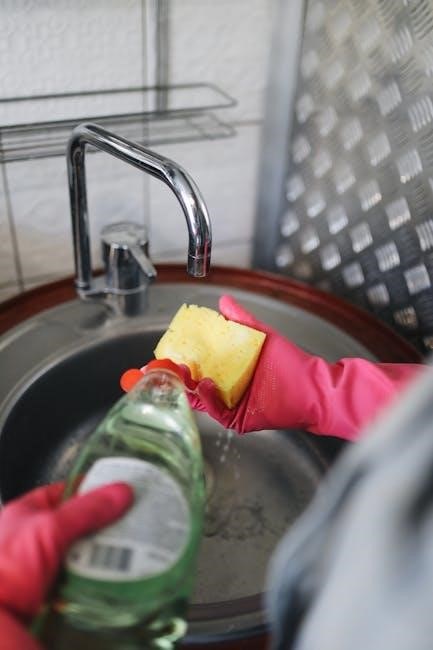
Safer’s Insecticidal Soap instructions consistently recommend a dilution rate of 2 tablespoons of concentrate per gallon of water for general pest control applications.
For severe infestations, a slightly higher concentration – up to 4 tablespoons per gallon – may be used, but caution is advised to prevent potential plant damage.
It’s crucial to meticulously measure both the soap concentrate and water to achieve the correct ratio, as under-dilution may render the treatment ineffective, while over-dilution could harm foliage.
Always prepare the solution fresh before each application, as pre-mixed solutions can lose potency over time. Thorough mixing is essential to ensure uniform distribution of the soap within the water.
Refer to the product label for specific recommendations tailored to the target pest and plant type, as variations may exist.
Types of Soap to Use (and Avoid)
Safer’s Insecticidal Soap is specifically formulated for plant use, containing potassium salts of fatty acids – the active insecticidal component.
Avoid using household detergents, dish soaps, or hand soaps, as these often contain additives like degreasers, fragrances, and bleach that can be phytotoxic to plants.
True soaps, made from natural fats and oils, are generally safer than detergents, but still may not be as effective or plant-friendly as dedicated insecticidal soap products.
Look for products labeled as “insecticidal soap” to ensure they meet specific standards for plant safety and pest control efficacy.
The instructions emphasize using only approved soap types to prevent leaf burn, discoloration, or stunted growth.
Water Quality Considerations
Safer’s Insecticidal Soap effectiveness is significantly impacted by water quality; soft water generally yields the best results, enhancing soap solubility and coverage.
Hard water, containing high mineral content (calcium and magnesium), can reduce the soap’s efficacy by forming insoluble precipitates, diminishing its insecticidal action.
If using hard water, consider using a water softener or increasing the soap concentration slightly, following label instructions carefully to avoid plant damage.
Avoid using water that is heavily chlorinated, as chlorine can degrade the active ingredients in the insecticidal soap.
The instructions recommend letting chlorinated water sit for 24 hours to allow chlorine to dissipate before mixing with the soap concentrate.
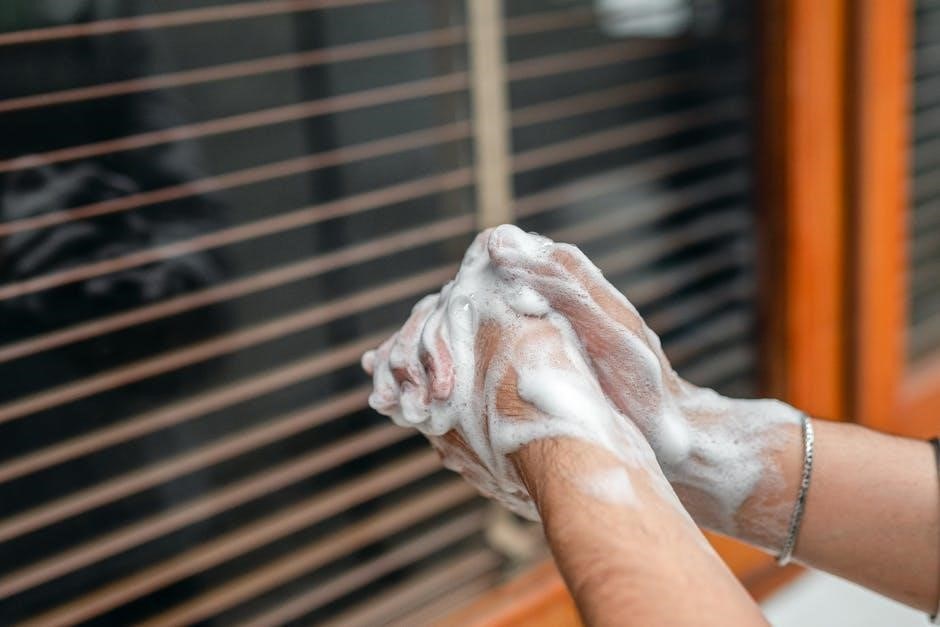
Application Instructions
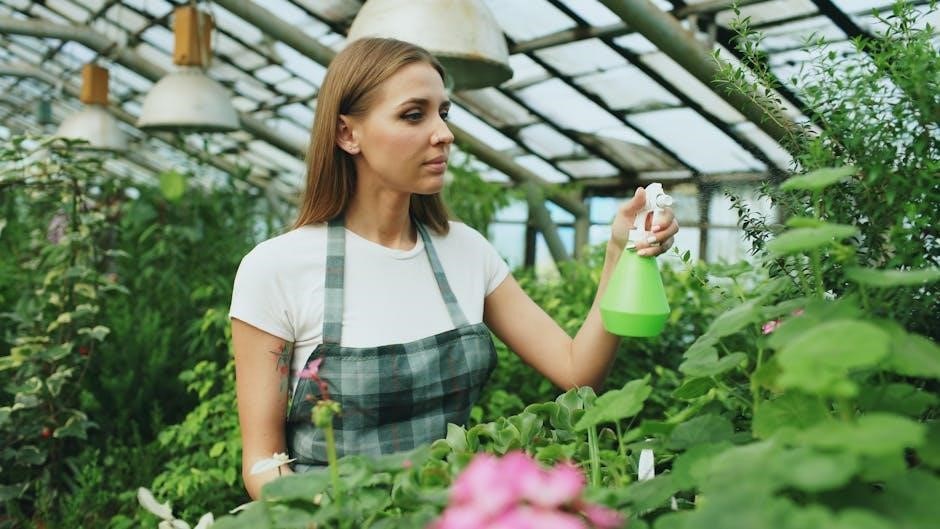
Safer’s Insecticidal Soap requires direct contact with pests for effectiveness; thorough coverage of all plant surfaces is crucial for successful control.
Apply when pests are present, and repeat every 7-10 days as needed, following label directions for optimal results.
Best Time of Day to Apply
Safer’s Insecticidal Soap application timing significantly impacts its effectiveness and plant safety. Avoid spraying during the hottest part of the day, or when temperatures exceed 90°F (32°C), to prevent potential leaf burn. The ideal time is early morning or late evening when temperatures are cooler and sunlight is less intense.
Applying in the evening allows the soap to dry on the plant surfaces overnight, minimizing the risk of sunscald. Avoid application if rain is expected within 24 hours, as it will wash away the solution and reduce its efficacy. Furthermore, reduced wind speeds during these times ensure better coverage and prevent drift onto non-target plants or areas. Consistent timing, coupled with thorough coverage, maximizes pest control success.
Application Methods: Spraying
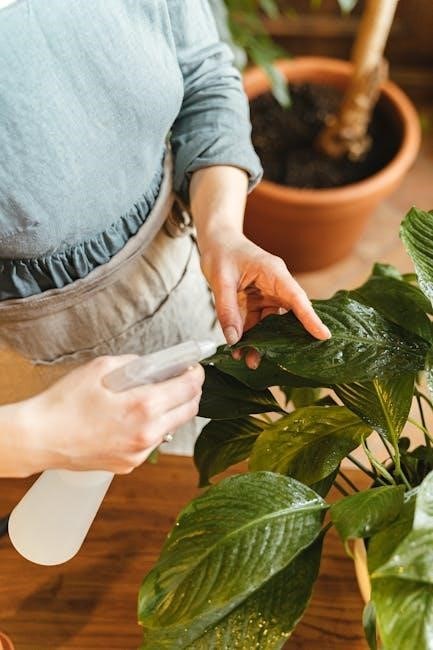
Safer’s Insecticidal Soap is most commonly applied using a standard garden sprayer. Ensure the sprayer is clean and properly calibrated to deliver a consistent spray. A fine mist is preferable for thorough coverage, reaching all plant surfaces, including undersides of leaves where many pests reside.
Maintain a distance of 2-3 feet from the plant to avoid excessive runoff. Spray until the plant surfaces are visibly wet, but avoid oversaturation. For larger infestations or widespread areas, consider using a pump sprayer or a hose-end sprayer designed for liquid applications. Always follow the dilution instructions on the product label for optimal results and plant safety. Repeat applications may be necessary.
Application Methods: Dabbing
Safer’s Insecticidal Soap can be effectively applied via direct dabbing for localized infestations, particularly for pests like mealybugs or scale insects. This method minimizes widespread application and reduces potential plant sensitivity. Use a cotton swab or soft cloth dampened – not soaked – with the insecticidal soap solution.
Gently dab the solution directly onto the visible pests, ensuring complete contact. Avoid excessive application to prevent potential leaf burn. This targeted approach is ideal for indoor plants or small, contained infestations. Repeat the dabbing process every few days until the pests are eradicated. Always test on a small area first to assess plant tolerance.
Ensuring Complete Coverage
Safer’s Insecticidal Soap requires thorough application for maximum effectiveness. Pests are often hidden on the undersides of leaves and in plant crevices, so complete coverage is crucial. When spraying, direct the solution upwards, ensuring it reaches all plant surfaces.
Pay particular attention to new growth, as this is where many pests initially colonize. For dense foliage, multiple applications may be necessary, spaced a few days apart. Inspect plants closely after application to identify any missed areas. Remember, insecticidal soap only works upon direct contact, so thoroughness is key to successful pest control.
Safety Precautions
Safer’s Insecticidal Soap is generally low in toxicity, but protective eyewear and gloves are recommended during application.
Avoid spraying on windy days to prevent drift, and keep pets away from treated plants until dry.
Protecting Yourself During Application
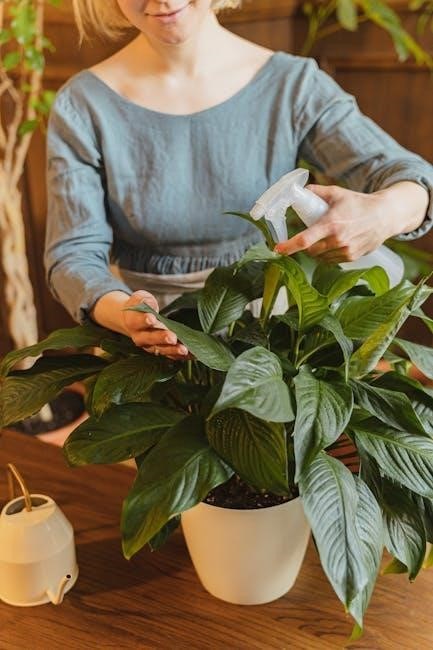
When using Safer’s Insecticidal Soap, prioritizing personal safety is crucial, even though it’s a low-toxicity option. Always wear protective eyewear, such as safety glasses or goggles, to prevent any accidental spray from entering your eyes, which could cause irritation.
Gloves, preferably chemical-resistant ones, are also highly recommended to shield your skin from prolonged contact with the soap solution. Consider wearing long sleeves and pants to minimize skin exposure, especially during extensive applications.
A well-fitted mask can be beneficial, particularly if you are sensitive to smells or are spraying in an enclosed space, to avoid inhaling the spray mist. Ensure adequate ventilation in the application area. After application, thoroughly wash your hands and any exposed skin with soap and water.
Protecting Beneficial Insects
Safer’s Insecticidal Soap, while targeting pests, can also impact beneficial insects if directly contacted. Minimize harm by avoiding spraying directly onto pollinators like bees and butterflies. Application during early morning or late evening, when these insects are less active, is highly recommended.
Focus application on infested plants, avoiding broad-spectrum spraying across the entire garden. Consider covering flowering plants during treatment to shield pollinators. Insecticidal soap’s residual effect is minimal, reducing long-term impact on beneficials.
Encourage beneficial insect populations by providing habitat and alternative food sources. Regularly monitor treated areas and reintroduce beneficials if needed, supporting a balanced ecosystem.
Plant Sensitivity and Testing
Safer’s Insecticidal Soap, though generally safe, can cause phytotoxicity – plant damage – in sensitive species. Always conduct a spot test before full application. Select a small, inconspicuous area of the plant and apply the diluted soap solution.
Observe the treated area for 24-48 hours, checking for signs of leaf burn, discoloration, or wilting. If no adverse reaction occurs, proceed with broader application, following label instructions carefully. Sensitive plants include ferns, certain ornamentals, and seedlings.
Avoid using on plants stressed by drought or heat. Reduce concentration for delicate plants and consider shielding them during application to minimize potential harm.
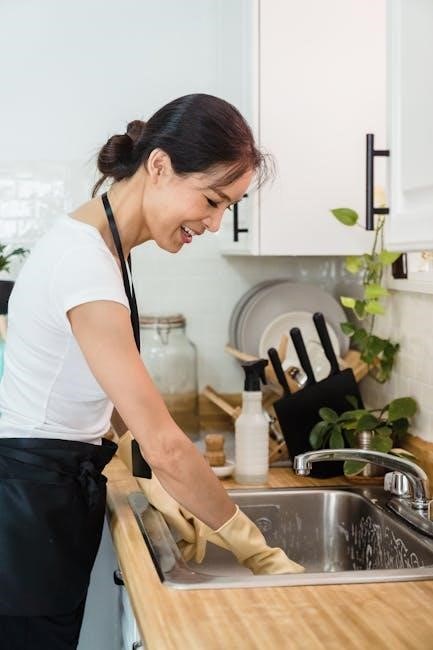
Post-Application Care
Safer’s Insecticidal Soap requires monitoring for re-infestation, as it lacks residual activity. Repeat applications, spaced 7-10 days apart, may be needed.
Support plant health with proper watering and fertilization to enhance resilience against future pest pressures;
Monitoring for Re-infestation
Safer’s Insecticidal Soap, while effective, doesn’t offer long-lasting protection like systemic insecticides. Therefore, diligent monitoring post-application is crucial. Begin checking treated plants within 24-48 hours for any signs of surviving pests or new infestations.
Focus on areas where pests were initially concentrated, as well as new growth. Look for live insects, sticky honeydew (a byproduct of aphid and whitefly feeding), or distorted leaves. Regular inspection – ideally every 2-3 days for the first week, then weekly – allows for early detection.
Early detection is key to preventing a significant re-infestation. If pests reappear, a second application of Safer’s Insecticidal Soap is usually necessary, following the label instructions regarding timing and dosage.
Repeat Applications
Safer’s Insecticidal Soap typically requires repeat applications for complete pest control, as it primarily affects insects upon direct contact. The label instructions generally recommend reapplying every 7-10 days, or as needed, to target newly hatched insects that weren’t exposed during the initial treatment.
Avoid exceeding the maximum number of applications specified on the product label. Observe plants closely between applications, noting any resurgence of pest activity. Timing is crucial; apply when pests are actively feeding for maximum effectiveness.
Consider alternating applications with other organic pest control methods to prevent pests from developing resistance. Always adhere to the pre-harvest intervals indicated on the label if treating edible plants.
Supporting Plant Health
Safer’s Insecticidal Soap works best on healthy plants; bolstering plant vigor enhances their natural defenses against pests. Ensure proper watering, fertilization, and sunlight exposure to minimize stress. Stressed plants are more susceptible to infestation and may exhibit sensitivity to the soap.
After application, provide plants with optimal growing conditions to aid recovery. Consider using a foliar feed to replenish nutrients potentially washed away during spraying. Improve air circulation around plants to prevent fungal diseases, which can sometimes occur in humid conditions.
Regularly inspect plants for signs of nutrient deficiencies and address them promptly to maintain overall health and resilience.

Troubleshooting Common Issues
Safer’s Insecticidal Soap can sometimes cause leaf burn, especially in hot weather; reduce concentration or apply during cooler hours. Ineffective treatment often stems from insufficient coverage.
Soap Burn: Symptoms and Prevention
Safer’s Insecticidal Soap, while generally gentle, can induce “soap burn” on sensitive plants if misused. Symptoms manifest as a bronzing or discoloration of leaves, often starting at the tips and margins, eventually leading to leaf drop in severe cases.
Prevention hinges on careful application. Always test the solution on a small, inconspicuous area of the plant 24-48 hours before full coverage. Adhere strictly to the dilution rates specified on the Safer’s product label; avoid exceeding the recommended concentration.
Apply during cooler parts of the day – early morning or late evening – to minimize stress. Avoid application when plants are already stressed from drought, heat, or nutrient deficiencies. Thoroughly rinse foliage with plain water after the recommended contact time to remove residue.
Ineffective Treatment: Reasons and Solutions
If Safer’s Insecticidal Soap appears ineffective, several factors might be at play. Insufficient coverage is a primary reason; pests hidden under leaves or in crevices require direct contact with the solution. Incorrect dilution – too weak a concentration – can also hinder efficacy.
Resistance is rare, but repeated use of the same product can lessen its impact. Ensure you’re targeting the pest’s lifecycle; multiple applications, spaced 7-10 days apart, are often necessary to control re-emerging pests.
Verify accurate pest identification; insecticidal soap is most effective against soft-bodied insects; Consider combining with other methods, like horticultural oil, for broader spectrum control. Always follow Safer’s instructions precisely for optimal results.
Advanced Considerations
Safer’s soap integrates well with integrated pest management, offering a low-impact solution. For severe infestations, combine with other organic controls for enhanced results.
Homemade solutions lack standardized potency; Safer’s provides consistent, reliable pest control, ideal for organic gardening practices.
Combining with Other Pest Control Methods
Safer’s Insecticidal Soap excels as part of an integrated pest management (IPM) strategy, not necessarily as a standalone cure-all. For robust infestations, consider pairing it with horticultural oil to disrupt the insect life cycle at multiple stages – soap addresses adults and nymphs, while oil smothers eggs.
Beneficial insects, like ladybugs and lacewings, can be introduced to provide long-term control, complementing the immediate impact of Safer’s. Employ physical barriers, such as row covers, to prevent re-infestation after treatment.
Neem oil, another organic option, can be rotated with insecticidal soap to prevent pests from developing resistance. Always follow label instructions for each product to ensure compatibility and avoid plant damage. A holistic approach yields the most sustainable results.
Organic Gardening and Insecticidal Soap
Safer’s Insecticidal Soap aligns perfectly with organic gardening principles, offering a naturally derived solution for pest control without harsh chemicals. Its core ingredients – potassium salts of fatty acids – are readily biodegradable, minimizing environmental impact.
Organic certification bodies often approve Safer’s for use in certified organic production, confirming its compatibility with sustainable practices. However, always verify specific product formulations meet your certifier’s standards.
Supporting a healthy garden ecosystem is crucial; insecticidal soap works best when combined with practices like companion planting and attracting beneficial insects. Prioritize preventative measures, like good air circulation and healthy soil, to reduce pest pressure and reliance on any treatment, even organic ones.
Commercial vs. Homemade Insecticidal Soap
Safer’s Insecticidal Soap provides a consistently formulated product, ensuring reliable pest control with each application. Commercial options undergo quality control, guaranteeing the correct concentration of active ingredients for effectiveness and plant safety.
While homemade solutions (using dish soap and water) are possible, they often lack the necessary fatty acid profile and can contain additives harmful to plants. These homemade mixtures may also be less effective against severe infestations.
Safer’s instructions emphasize precise dilution ratios, a benefit absent in DIY recipes. Choosing a commercial product like Safer’s offers convenience, predictability, and reduces the risk of phytotoxicity, making it a preferred choice for many gardeners.
Insecticidal soap, particularly Safer’s Insecticidal Soap, stands as a valuable tool for gardeners seeking effective and environmentally conscious pest management. Following Safer’s instructions diligently – regarding dilution, application timing, and thorough coverage – is crucial for success.
Remember, consistent monitoring post-application is key to addressing re-infestations promptly. While generally safe, always test on a small plant area first to ensure compatibility.
By embracing this approach, you can protect your plants from damaging pests while minimizing harm to beneficial insects and the broader ecosystem. Safer’s provides a responsible solution for a thriving garden.